


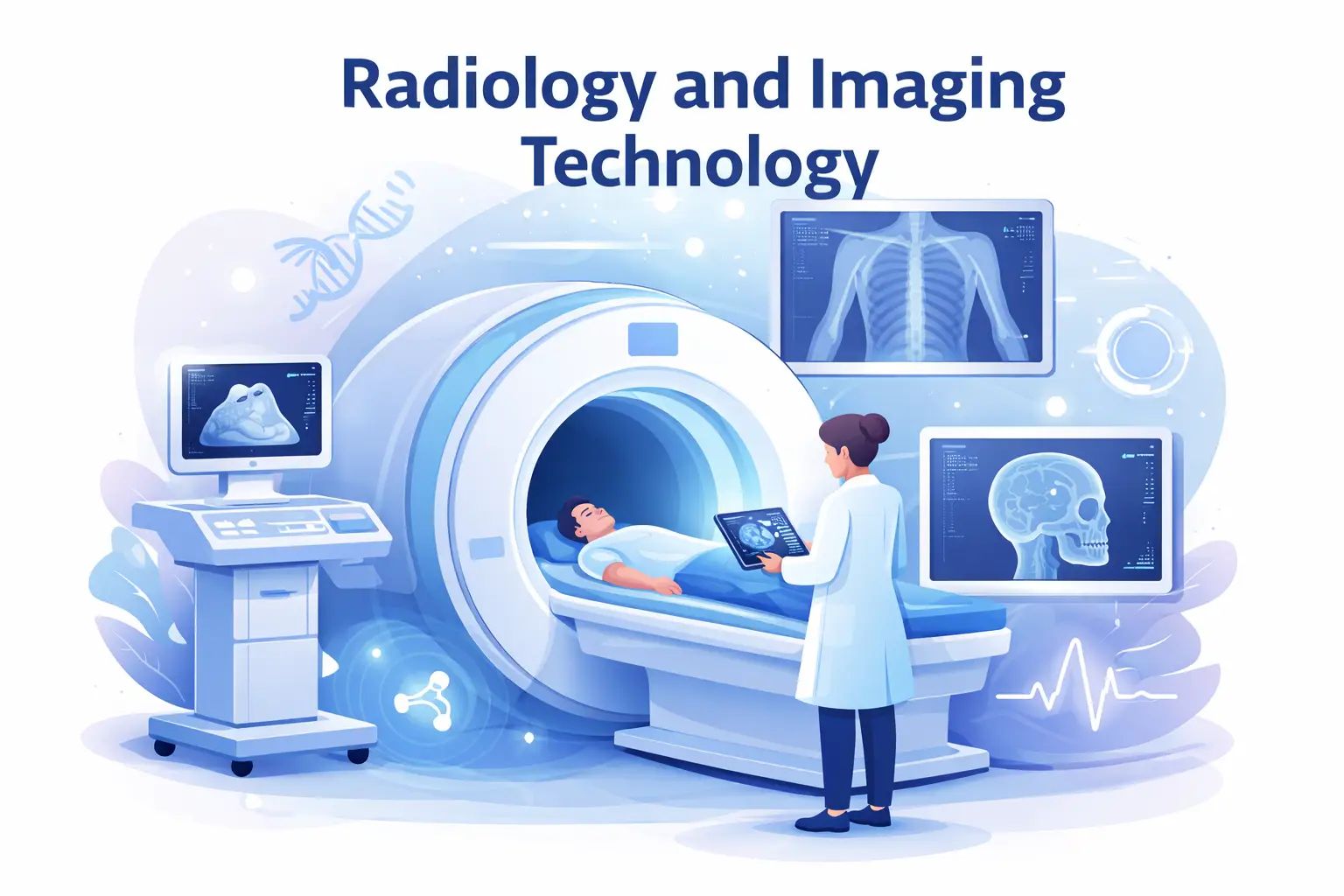
serves as a foundational pillar of modern healthcare systems, enabling precise visualization of internal structures that were once inaccessible. Advances in digital imaging, data processing, and analytical interpretation have transformed how medical professionals understand the human body. These developments now represent an ongoing shift from reactive treatment to informed, anticipatory care In daily life, radiology and imaging technology influences early diagnosis, treatment planning, and long-term health monitoring. Individuals benefit from faster detection of disease, reduced uncertainty, and more targeted interventions that minimize unnecessary procedures. This technological layer strengthens trust in medical decisions by grounding them in visual and measurable evidence.
As innovation accelerates, radiology and imaging technology revealing destiny signals points toward a future where patterns, probabilities, and outcomes are identified earlier than ever before. This forward momentum demands continuous adaptation, ethical responsibility, and disciplined implementation to address emerging challenges while maximizing long-term benefits.
Understanding the Foundation of Radiology and Imaging Technology
Core Principles of Medical Imaging
Radiology and imaging technology rests on the controlled use of energy to create internal representations of the body. These principles ensure that images accurately reflect anatomical and functional conditions. Precision at this level requires calibrated equipment and standardized protocols.
The interpretation of images depends on consistency and clarity. Professionals must understand how imaging signals correspond to tissue behavior. This understanding strengthens diagnostic confidence and reduces interpretive variability across systems.
Role of Imaging Modalities
Different imaging modalities serve as interconnected layers within diagnostic workflows. X-ray, ultrasound, CT, and MRI each address specific clinical needs. Selecting the correct modality ensures efficiency and diagnostic accuracy.
Imaging choices must align with patient safety and diagnostic goals. Proper modality selection reduces exposure risks and enhances image relevance. This alignment demands structured decision-making processes.
Importance of Signal Accuracy
Signal accuracy represents an ongoing requirement in radiology systems. Clear signals ensure that subtle abnormalities are not overlooked. Image distortion weakens diagnostic reliability and delays intervention.
Maintaining signal integrity requires disciplined quality control. Regular calibration and monitoring strengthen system performance. These practices ensure that destiny signals embedded in imaging data remain visible and actionable.
Revealing Destiny Signals Through Data and Patterns
Pattern Recognition in Imaging
Radiology increasingly relies on identifying patterns within complex image datasets. These patterns reveal trends that may indicate disease progression or risk. Pattern recognition enhances early detection capabilities.
Consistent pattern analysis requires standardized viewing and comparison methods. Structured evaluation ensures that emerging signals are not dismissed. This discipline transforms raw images into predictive insights.
Predictive Indicators in Imaging Data
Imaging data often contains indicators that suggest future health outcomes. These indicators serve as destiny signals when properly analyzed. Their identification supports proactive care strategies.
Predictive interpretation requires validated criteria and continuous learning. Professionals must align observations with established benchmarks. This process ensures responsible use of predictive insights.
Integrating Imaging with Clinical Context
Imaging signals gain strength when integrated with clinical information. Contextual alignment enhances relevance and reduces misinterpretation. Imaging should never operate in isolation.
Effective integration demands structured communication between imaging specialists and clinicians. Shared understanding strengthens care pathways. This collaboration ensures destiny signals translate into meaningful action.
Essential tools:
- High-resolution imaging systems with standardized settings
- Advanced visualization and analysis software
- Secure data storage and retrieval platforms
- Structured reporting frameworks
Technology Advancements Shaping Modern Radiology
Digital Transformation of Imaging Systems
Digital radiology enhances speed, accuracy, and accessibility. Images are now stored and shared across networks in real time. This transformation strengthens continuity of care.
Digital systems require disciplined data governance. Proper management ensures image integrity and patient confidentiality. These controls represent essential operational layers.
Artificial Intelligence and Automation
Artificial intelligence enhances image analysis by identifying subtle variations. Automation supports consistency and reduces workload pressure. These technologies strengthen diagnostic reliability.
AI integration demands oversight and validation. Users must understand system limitations. Responsible deployment ensures technology enhances rather than replaces human judgment.
Interoperability and System Integration
Interoperable systems ensure seamless data exchange across platforms. Integration reduces duplication and delays. This connectivity strengthens healthcare efficiency.
Achieving interoperability requires adherence to standards. Coordinated implementation ensures long-term scalability. These efforts represent an ongoing infrastructure commitment.
Key practices:
- Standardizing digital imaging protocols
- Validating AI-assisted interpretations
- Ensuring secure system interoperability
- Maintaining continuous system updates
Practical Implementation in Clinical and Everyday Contexts
Ensuring Image Quality and Consistency
Image quality remains among the most critical operational requirements. Consistent acquisition ensures reliable comparison over time. Quality directly influences diagnostic outcomes.
Routine checks and protocol adherence strengthen consistency. Users must follow established procedures. This discipline ensures dependable imaging results.
Safety and Ethical Responsibilities
Radiology demands strict attention to safety. Radiation exposure must remain within controlled limits. Ethical responsibility guides technology use.
Clear guidelines protect individuals and professionals. Transparency strengthens trust. Ethical discipline ensures sustainable technology adoption.
Training and Skill Development
Continuous training ensures effective technology use. Imaging systems evolve rapidly. Skill development strengthens adaptability.
Structured education programs maintain professional competence. Learning ensures correct interpretation and system operation. This investment enhances long-term performance.
Safety measures:
- Adhering to radiation dose optimization standards
- Following equipment maintenance schedules
- Applying ethical imaging guidelines consistently
- Ensuring informed procedural communication
Building Sustainable Radiology Systems for the Future
Standardization and Governance
Standardization ensures reliability across imaging environments. Governance frameworks guide consistent practice. These systems strengthen accountability.
Clear policies reduce variability and errors. Governance represents an ongoing organizational responsibility. This structure supports long-term stability.
Data Security and Privacy
Imaging data requires robust protection. Security ensures confidentiality and compliance. Privacy safeguards maintain public trust.
Strong access controls and encryption strengthen data safety. Regular audits ensure compliance. These measures remain essential.
Continuous Innovation and Evaluation
Radiology systems must evolve continuously. Evaluation ensures relevance and effectiveness. Innovation demands structured assessment.
Feedback loops guide improvement. Measured adoption ensures sustainable progress. This approach balances advancement with responsibility.
Conclusion
Radiology and imaging technology revealing destiny signals represents an interconnected system that requires precise imaging foundations, disciplined pattern analysis, advanced technological integration, practical implementation standards, and sustainable governance structures. These elements ensure accurate diagnostics, predictive insight, and responsible innovation. Over time, this integrated approach enhances healthcare outcomes and strengthens confidence in future-ready medical systems.
FAQs about Radiology and Imaging Technology Revealing Destiny Signals
What does “destiny signals” mean in radiology and imaging technology?
It refers to predictive patterns and indicators within imaging data that suggest future health outcomes when properly analyzed.
How does imaging technology impact everyday healthcare decisions?
It ensures earlier diagnosis, more accurate treatment planning, and reduced uncertainty in medical decision-making.
Why is image quality critical in revealing meaningful signals?
High-quality images ensure subtle patterns are visible, strengthening diagnostic accuracy and predictive reliability.
Can advanced technology replace professional judgment in radiology?
Technology enhances analysis but requires human oversight to ensure ethical, contextual, and accurate interpretation.
What ensures the long-term reliability of radiology systems?
Standardization, continuous training, data security, and regular system evaluation ensure sustainable performance

